Ontario’s 2026 Budget, A Plan to Protect Ontario, arrives with familiar promises of economic resilience and infrastructure growth. But beneath the surface, a persistent gap remains: meaningful investments in nature. Similar to last year’s budget, the province continues to ignore the importance of biodiversity and nature to economic resilience, community well-being and Ontario’s long-term prosperity.
Recommendations Still Being Ignored
In 2025, Ontario Nature raised concerns that the provincial budget put nature at risk by prioritizing development while weakening environmental protections. These concerns were echoed and expanded in January 2026, when Ontario Nature and 64 partner organizations called on the province to increase investments in conservation.
The unified message was clear: protecting and restoring nature is not a barrier to economic growth but is a foundation for it. Yet the 2026 budget does not meaningfully respond to these recommendations. Our recommendations presented a clear path forward – strategic investments in nature can strengthen our economy, protect communities and reduce long-term costs.
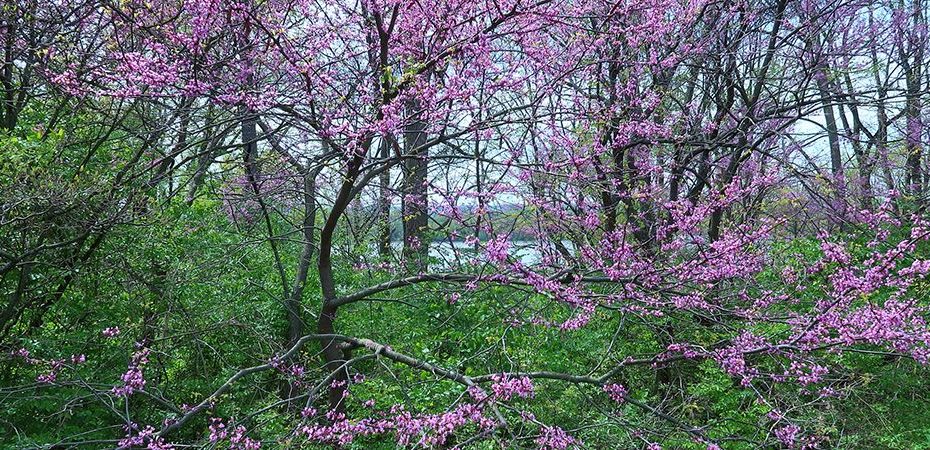
Redbud trees and Cootes Paradise, Royal Botanical Gardens © Cactus Forest CC 0.0
Investing in Protected Areas Creates Jobs and Boosts the Economy
Ontario remains well behind the pace required to meet the national goal of protecting 30 percent of land and water by 2030. With just over 11 percent currently protected, the province risks falling further behind without a significant redirection in its course. A clear solution remains unprioritized: investing in protected areas is not only an environmental imperative, but an economic strategy. A coordinated annual investment of $60 million to expand Ontario’s protected areas network, particularly on Crown land, would help close this gap and support regional land use planning to protect high biodiversity and cultural value areas from industrial development.
Expanding protected area networks invests in nature-based recreation job opportunities, boosting our economy alongside protecting valuable areas. Across Canada, nature-based recreation creates over one million jobs and generates $101.6 billion in economic activity annually, not including the many additional ecosystem services that nature provides such as absorbing carbon, offsetting flood risks and improving air quality.
Wetlands: Ontario’s Built in Flood Protection
Conserving and restoring wetlands is a direct investment in public safety and affordability. Natural wetlands reduce flood damage, lower infrastructure costs and reduce costs to taxpayers. A University of Waterloo study found that maintaining wetlands can reduce flood damages by 38 percent, while other research shows that benefits of wetland protection can far exceed costs, with benefit-cost ratios reaching as high as 35:1.
Despite these benefits, the 2026 budget does not significantly expand investments in wetland conservation, leaving communities exposed to rising costs.
Long Point Provincial Park, Big Creek National Wildlife Area and Port Rowan © Ken Lund CC BY-SA 2.0
Nature Pays Us Back
Public support is not the barrier either. Ontarians overwhelmingly back increased conservation efforts and recognize their benefits for climate resilience, health and the economy.
Ontario’s 2026 budget speaks the language of resilience and protecting Ontario, but it fails to invest in the natural systems that make resilience possible. It seems that most Ontarians are not convinced the government is “protecting Ontario” based on recent polling. Until this changes, the province will continue to take on higher costs, greater risks and missed opportunities.
Malcolm Bluff Shores Nature Reserve, guided hike © Melissa Thomas
Take Action
While provinces across Canada begin implementing meaningful conservation plans, Ontario is falling behind. Rather than weakening environmental protections and shifting the costs of conservation onto communities, the provincial government must commit to sustained, long-term investments in nature.
Protecting nature protects all of us. Stay informed, contact your MPP, and demand better protections for Ontario’s lands and waters. You can also take action today by signing one of Ontario Nature’s Action Alerts.