Recycling in Ontario is changing in a big way. As of January 1, 2026, the province has fully transitioned to a new Blue Box system that changes who is responsible for recycling and is intended to make the process more consistent across Ontario.
Under the new rules, recycling is now managed and funded by the companies that produce packaging and paper products, rather than municipalities. This shift is known as Extended Producer Responsibility (EPR). The idea is that companies should take more responsibility for the waste they create, while making recycling systems easier for residents to navigate.
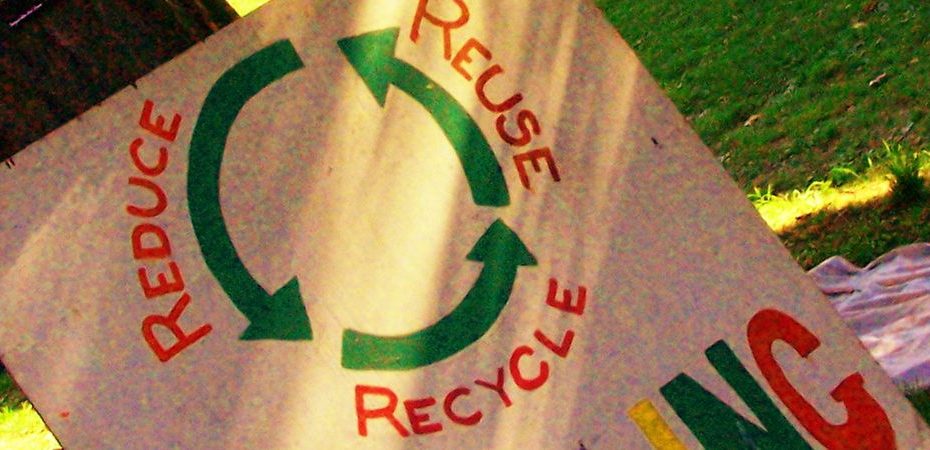
Reduce, reuse, recycle sign © Andy Arthur CC BY 2.0
The goal is to recycle more, send less waste to landfills, and move toward a more circular economy. But for many Ontarians, the new rules also raise a lot of questions. Here are some of the most common ones.
Frequently Asked Questions
1. What changed in Ontario’s recycling system in 2026?
Ontario’s Blue Box program is now fully run by producers – the companies that create packaging and paper products. That means they are responsible for collecting, sorting, and recycling those materials.
An organization called Circular Materials now helps operate the Blue Box program across Ontario.
For most residents, the day-to-day experience may still look similar. The province will continue using the same blue boxes, the same curbside pickup and will continue to accept many of the same items. But behind the scenes the system has changed significantly, with the goal of creating more consistent recycling rules across the province.
2. Why is Ontario changing its recycling system?
Before this transition, municipalities shared the cost and responsibility of recycling programs, and each city or region often had its own rules. That meant something recyclable in one community might not be accepted in another.
The new system is meant to reduce that confusion. By making producers responsible for the materials they put into the marketplace, Ontario is also putting more pressure on companies to reduce unnecessary packaging and design products that are easier to recycle.
Recycling bins with materials © John Lambert Pearson CC BY 2.0
3. Will recycling rules still differ depending on where I live?
Historically, yes. What you could recycle in Toronto might not have been accepted in London, Kingston, or another municipality.
The new Blue Box system is designed to make accepted materials more consistent across Ontario. However, some local differences may still exist in how recycling is collected. For example, some municipalities may use blue boxes, while others use large recycling carts. Pickup schedules and collection contractors may also vary by region.
So while the rules about what can be recycled are becoming more standardized, the way recycling is collected may still look different from place to place.
4. Can I recycle…?
If you’ve ever stood over your recycling bin wondering, “can I recycle this?” You’re not alone.
Some cities across Ontario have helpful tools. For example, if you live in Toronto, one of the easiest ways to check is by using the Waste Wizard, an online tool that lets you search specific items and find out whether they belong in recycling, garbage, organics, or special drop-off.
Although Toronto’s Waste Wizard is one of the best-known examples, other municipalities across Ontario offer similar search tools or waste apps. They can be especially helpful for sorting items like black plastic, coffee pods, takeout containers, or mixed-material packaging.
The updated Blue Box program expands the list of accepted materials. In many cases, you can now recycle more types of packaging than before, including items like foam containers, black plastic, and certain flexible plastics. But contamination — such as food waste, liquids, or hazardous materials — can still create major problems in the recycling stream.
5. If the province has one system, why do municipalities still matter?
Even though the recycling rules are now set at the provincial level, municipalities still play a major role in waste management.
They are often responsible for services like garbage collection, green bins or organics, household hazardous waste depots and local public education. Municipalities also help residents understand changes to collection schedules, bin types and local disposal options.
In other words, the province may be standardizing the recycling system, but municipalities are still an important part of how that system works in practice.
Recycling bins © Dano CC BY 2.0
6. Does recycling actually work?
This is one of the most important questions and one of the hardest to answer simply.
Recycling can help reduce landfill waste and recover useful materials, but it is far from a perfect solution. In Canada, recycling rates remain low. Currently, only 7% of Ontario’s waste is recycled through the Blue Box. This is due to a combination of factors, including contamination, complex materials, and limited recycling markets.
Ontario’s new recycling system is intended to improve outcomes by making producers more accountable and expanding what can be collected. But recycling alone will not solve the waste crisis.
Reducing waste in the first place and reusing materials whenever possible remains essential.
7. What should I do with electronics or hazardous waste?
Electronics and hazardous materials should never go in your Blue Box.
Items like batteries, old phones, chargers, paint, propane tanks, light bulbs, and cleaning chemicals require special handling. If they are placed in recycling, they can contaminate other materials, damage equipment, or create safety risks for workers.
Instead, these items should be taken to a designated drop-off depot, household hazardous waste site, or e-waste collection program in your municipality. Many communities in Ontario offer permanent depots or seasonal collection events for these materials.
If you are unsure, your municipality’s waste lookup tool is the best place to check.
The Bottom Line
Ontario’s new recycling rules are a major shift toward a more consistent and accountable system. By making producers responsible for the packaging they create the province is trying to improve recycling and reduce confusion for residents.
But even the best recycling system depends on public understanding and participation. Knowing what belongs in your Blue Box and taking the extra moment to check when you’re unsure can make a real difference.
At the same time, recycling is only one part of the solution. If Ontario is serious about reducing waste and protecting the environment, we also need to focus on addressing the systemic root of continuous waste generation in the first place.
Macey was Ontario Nature’s communications intern in 2026.
[/resources]