How A Couple’s Beloved Cottage Was Updated For Ageing In Place
Architecture
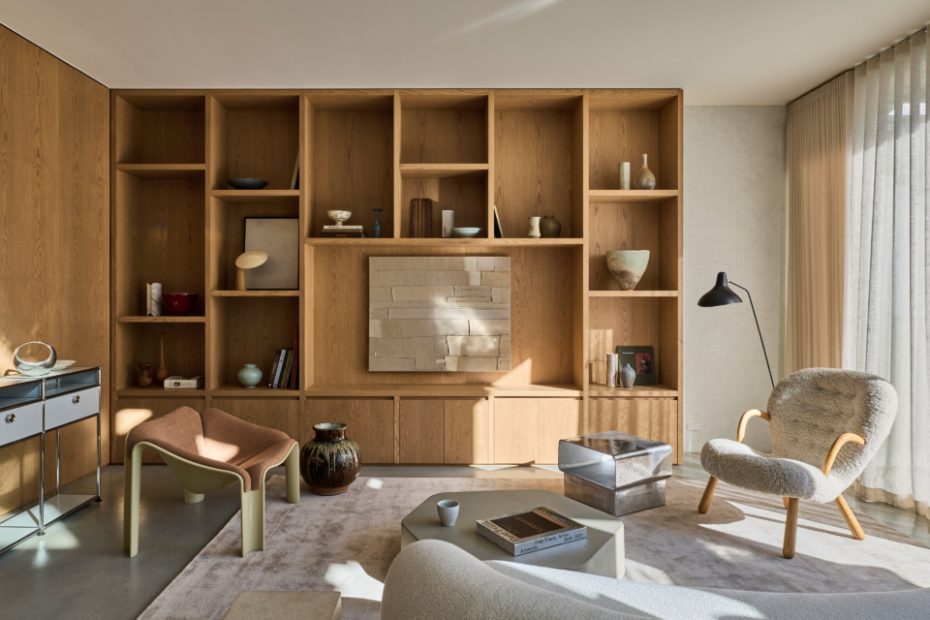
Isola sofa by Amura Lab, Mantis floor lamp by DCW Éditions from Spence & Lyda. Talo occasional table by Expormim from KE-ZU. Clam chair by Arnold Madsen from Great Dane Furniture. Kira coffee table from Anibou. Florence Oatmeal rug from The Rug Establishment.
F300 lounge chair by GUBI from Cult. Aries side table by De La Espada and Pinch Pium table light from Spence & Lyda. Japanese Ceramic Large Drip Vase from Great Dane Furniture. Florence Oatmeal rug from The Rug Establishment. Foreseeable Painting and Painting Concerning Existence by Morgan Stokes. Various ceramics from Greg Natale, Tetsuya Ozawa from The DEA Store, The Objects Store, Tania Rollond, and Sands Made.
Mantis floor lamp by DCW Éditions from Spence & Lyda. Clam chair by Arnold Madsen and Japanese Ceramic Large Drip Vase from Great Dane Furniture. Kira coffee table from Anibou. Talo occasional table by Expormim from KE-ZU. Painting Concerning Existence by Morgan Stokes in joinery.
Sliding doors open the living space to the sunshine of the rear courtyard.
The kitchen was also reconfigured for accessibility with wider openings.
Pallo Vase by Carina Seth Andersson from Great Dane Furniture. Timber Shaving Vessel by Bola Jiteniola. Hasami Porcelain bowl from Simple Beautiful Things. Ceramic plate and ceramic cup from The Objects Store. Kaktos table lamp by LZF from KE-ZU. Bodleian Libraries chair from Anibou. Ribbon Platter by Rina Bernabei from The DEA Store.
The double-height voids from the prior addition draw sunlight deep into the plan.
PK25 lounge chair and Panthella 160 Portable V3 on side table from Cult. Isola sofa and Hourglass side table by Amura Lab; Aries side table by De La Espada from Spence & Lyda. USM Haller from Anibou. Essence pitcher by Iittala from Space Furniture. Ceramic cup from The Objects Store. Ribbon Platter by Rina Bernabei from The DEA Store.
The most significant change added a new lift to the internal courtyard for easy access as the owners’ mobility changes.
One of the bedrooms upstairs. Chestnut Chateau bedcover from In The Sac.
New tiles and marble finishes refresh the ensuite bathroom.
The original 1860s worker’s cottage remains at the street.
The clever addition hidden at the rear.
When Sydney studio Carter Williamson was approached to revisit an old renovation from more than 15 years ago, it sparked a conversation about longevity.
The clients, Matthew and Georgina, had lived in the Balmain workers’ cottage for more than two decades, and the earlier update introduced a dramatic contemporary addition at the rear, cleverly hidden behind the 1860s facade.
It was especially distinctive thanks to the brise soleil (French for ‘sun breaker’) made up of operable marble blades that filter, or deflect, light into the living spaces depending on the season.
‘Over time, the house became deeply embedded in their daily life and in their connection to the neighbourhood,’ Carter Williamson principal Shaun Carter says.
‘When their needs began to change, particularly around accessibility, the question wasn’t whether they should move, but how the house itself could evolve with them.’
The project was less about addressing any architectural failures — with Shaun noting how well the house’s original concept had endured — and more about accommodating Matthew and Georgina’s next phase of life.
‘Circulation paths that once felt perfectly natural needed to become more generous and accessible. The challenge was how to make those adjustments while preserving the qualities that made the house special in the first place,’ he adds.
While most of the existing structure remained intact, a new lift was strategically inserted within the internal courtyard to ensure consistent access to the upper level. Once that was in place, it prompted a broader redesign of the living areas on the ground floor.
The kitchen was repositioned for ease, hallways were widened, and a slightly more ‘mature’ material palette helped usher the house into a new era.
In a departure from the first renovation’s modern aesthetic, distinguished by concrete, high-contrast white walls and darker floors, this latest iteration introduced warmer timber joinery throughout, while tactile light fittings add softness to the refreshed interiors.
However, it was equally important to maintain the home’s familiarity; retaining the concrete floors, marble blades for passive performance, and show-stopping double-height voids that draw light deep into the plan.
‘What I’m most proud of is that the house still feels like itself. The clients often talk about how the changes have made daily life much easier, but emotionally it still feels like the home they’ve known for many years,’ Shaun says.
‘The changes have had a profound impact because they’ve allowed the clients to remain connected to their home, their community and their routines.’
Most of all, it emphasises a key lesson that architecture isn’t static: ‘Good buildings continue to evolve alongside the people who inhabit them.’
Want to see more stories like this? Get the best of The Design Files sent straight to your inbox!