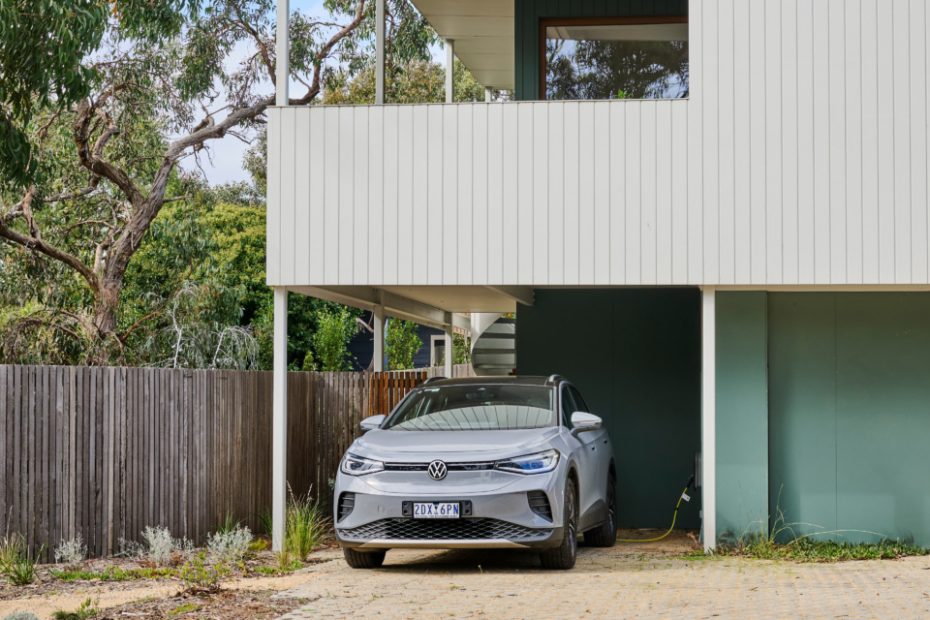
A Beginner’s Guide To Electric Vehicle Charging At Home
Climate
There’s never been an better time to invest in an electric vehicle.
Typical EV drivers who mostly charge at home can save around $1,500-$3000 per year in fuel costs.
AGL offers customers a Night Saver EV plan, which offers low rates from 12am to 6am so you could charge your EV overnight for as little as $5*.
You’ve probably noticed an influx of electric vehicles on the roads lately.
The Electric Vehicle Council reported full electric vehicles and plug-in hybrids reached 35.8% of Australian new passenger car sales in June this year — up from 11% just 12 months earlier.
If you’re considering making the switch, you might be asking one of the questions below, which we put to AGL Head of eMobility Mabelle Reyes.
Why should I consider purchasing an electric vehicle?
With a growing range of electric vehicle (EVs) models across different sizes and price points available in Australia, there has never been a better time to buy an EV. ‘Public charging infrastructure continues to expand, making long-distance travel easier, while home charging remains cost effective and convenient for everyday driving,’ says AGL Head of eMobility Mabelle Reyes.
For many households, the biggest benefit of an EV is the lower running costs compared to a petrol vehicle. Savings vary depending on driving distance, car model, electricity prices, and charging habits, but for a typical driver travelling around 15,000 kilometres a year and mostly charging at home, Mabelle says EV drivers can save around $1,500-$3,000 per year in fuel costs alone. To find out how much you can save for your individual circumstance, try AGL’s free EV savings calculator.
For those not yet ready to purchase an EV, an EV subscription can be a great way to try an electric car with the flexibility to swap or return the vehicle.
EVs also produce significantly less carbon emissions, noise, and air pollution than comparable petrol and diesel vehicles. When considering the total carbon emissions life cycle of an electric vehicle (including vehicle production, operation and disposal), it’s estimated that an EV can offset the emissions from its production within two years of use.
How can I charge my EV at home?
Charging an EV at home can be as simple as plugging your car into a standard power point, which can be handy for car owners without a garage, or for those with lower daily driving needs. Seven hours of charging via a standard power point typically adds 100km to an EV battery’s driving range.
To charge your car more efficiently and quickly, most drivers will benefit from a higher-powered dedicated EV wall charging setup — purchased separately and installed by a licensed electrician. In addition to much faster charging times, dedicated wall chargers often include smart features that allow charging to be scheduled when electricity is cheaper or when solar generation is available.
The cost of a home EV charger varies depending on the brand, features, and installation requirements, but basic home chargers typically start at around $1,000-$2,000 for the hardware, says Mabelle. Premium chargers with advanced smart charging and solar integration features typically cost more, and installation is usually an additional cost based on your home’s electrical setup. Explore home chargers available through AGL here.
How can I minimise the cost of charging my EV at home?
The price of charging your EV changes based on multiple factors, one being your electricity provider and plan.
AGL offers customers a Night Saver EV plan, which provides low rates from 12am to 6am. Depending on your EV model and battery size, you could charge your EV overnight for as little as $5*.
If you are on a time-of-use or EV-specific electricity plan, make sure you’re charging during off-peak times. Use solar power if possible to charge during the day when your system is generating energy, and take advantage of smart charging features that automatically schedule charging for the cheapest times.
What do you wish more people knew about EVs?
Living with an EV is often much easier than people expect, says Mabelle, and they’re fun to drive!
There’s also a few myths to dispel — one being that EVs aren’t suitable for long drives, or they require charging every night. Current EVs have an average battery range of around 400kms — enough to meet the average Australian’s driving needs for over a week — and some new models can drive for over 600kms on a single charge.
For those regularly driving longer distances, more service stations and towns are investing in public charging infrastructure that uses commercial three-phase power infrastructure, providing 100km of battery charge in as little as three minutes, usually for a fee.
Those who drive long distances more regularly may prefer a plug-in hybrid, which combines a petrol engine with an electric motor and a plug-in battery, allowing drivers to use electricity for short trips, and petrol for longer distances.
‘In the future, technologies such as Vehicle-to-Grid (V2G) could allow EV batteries to also share energy back into our homes, or into the grid when it’s needed, helping reduce pressure on the grid and keep energy more affordable and reliable for everyone,’ says Mabelle.
*Estimated charging cost based on a Tesla Electric Vehicle Model 3/Y RWD standard range with a 62kWh usable battery and a usage rate of 8c/kWh applicable from 12 to 6am. The charging cost may be greater for other electric vehicle types or battery sizes.
Learn more about how to electrify your home with AGL’s Electrify Now™ tool. Estimate your potential savings on energy bills or running costs and find out about available rebates, payback periods and more.